




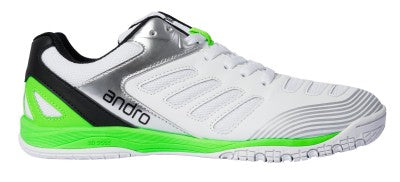
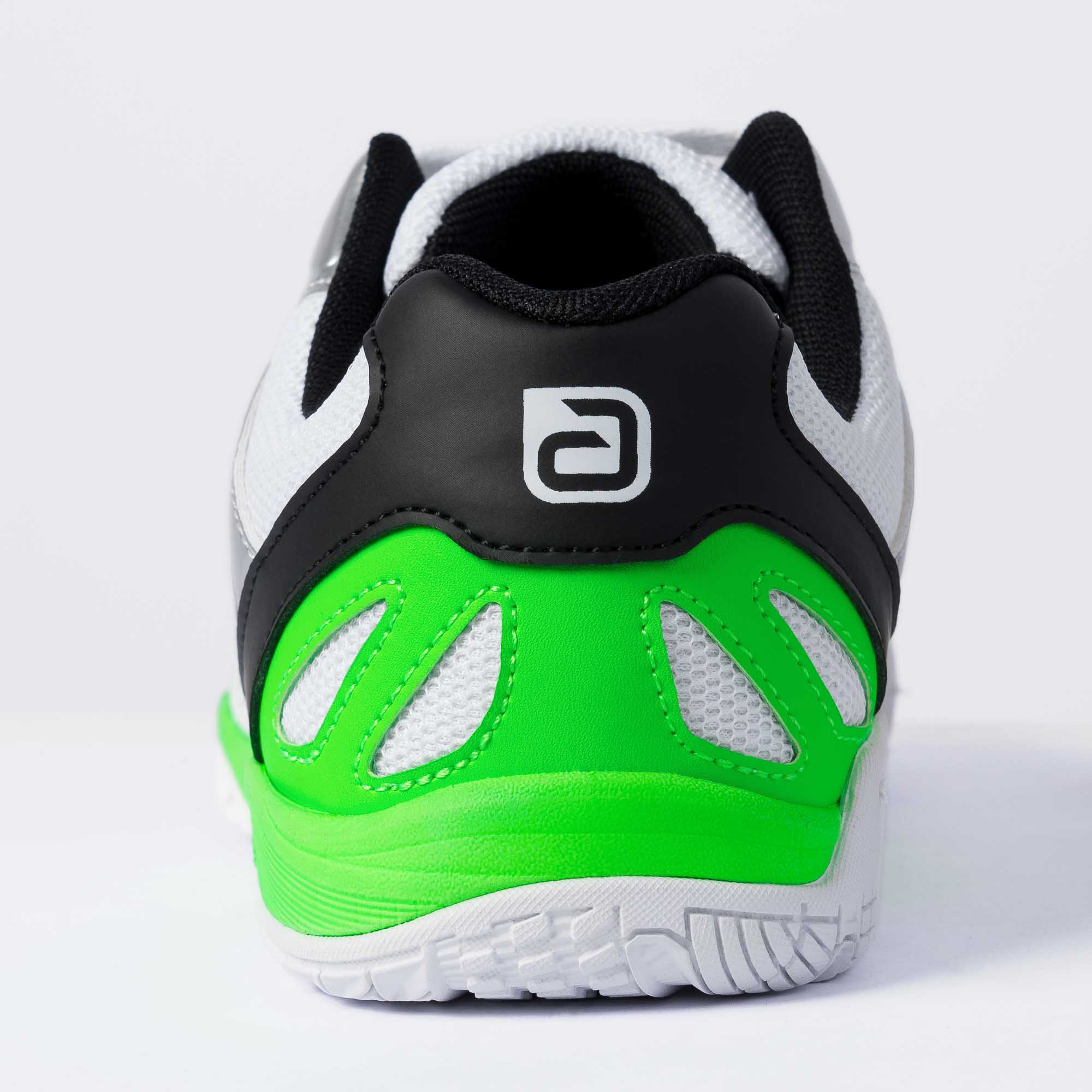
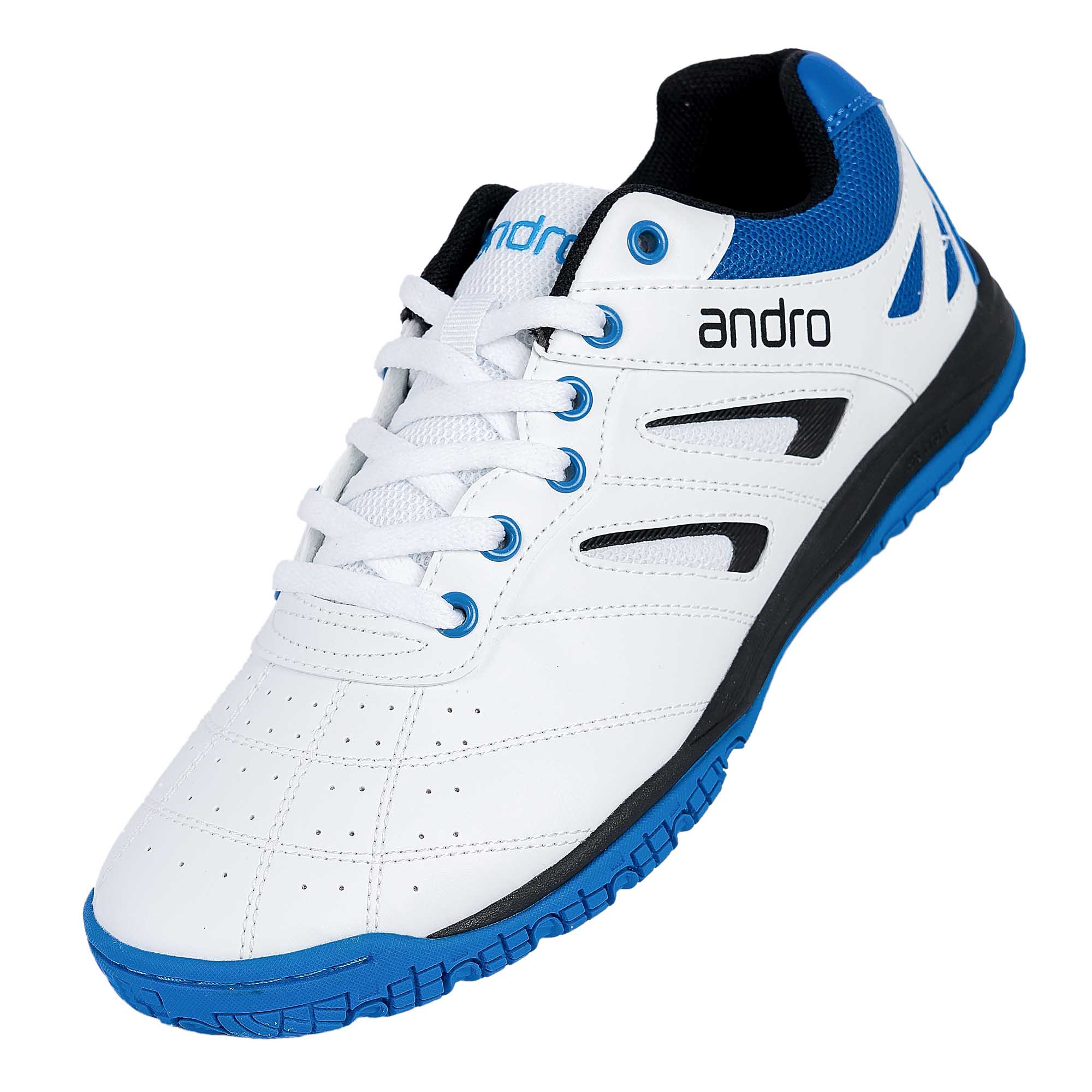
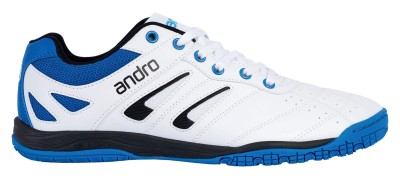
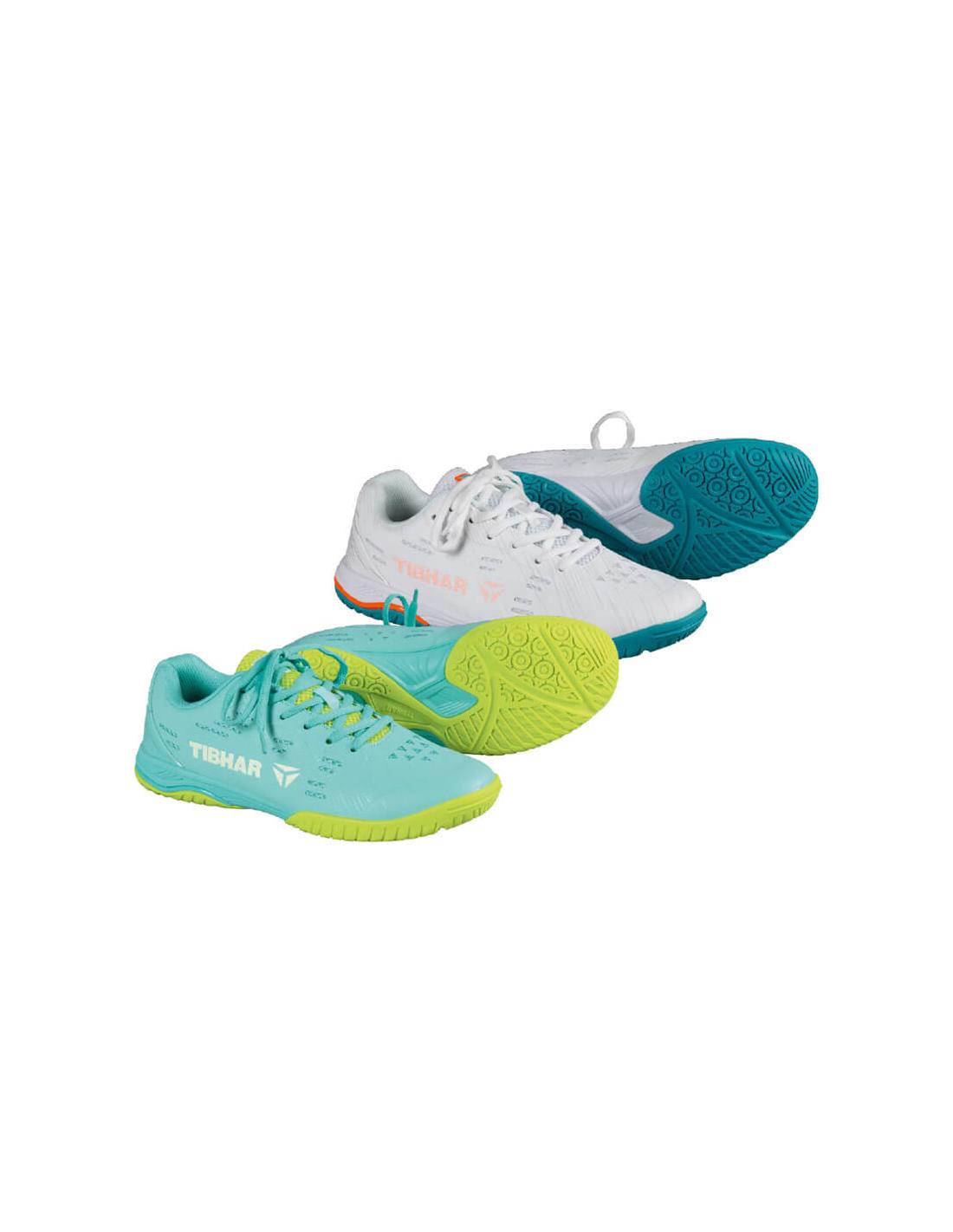


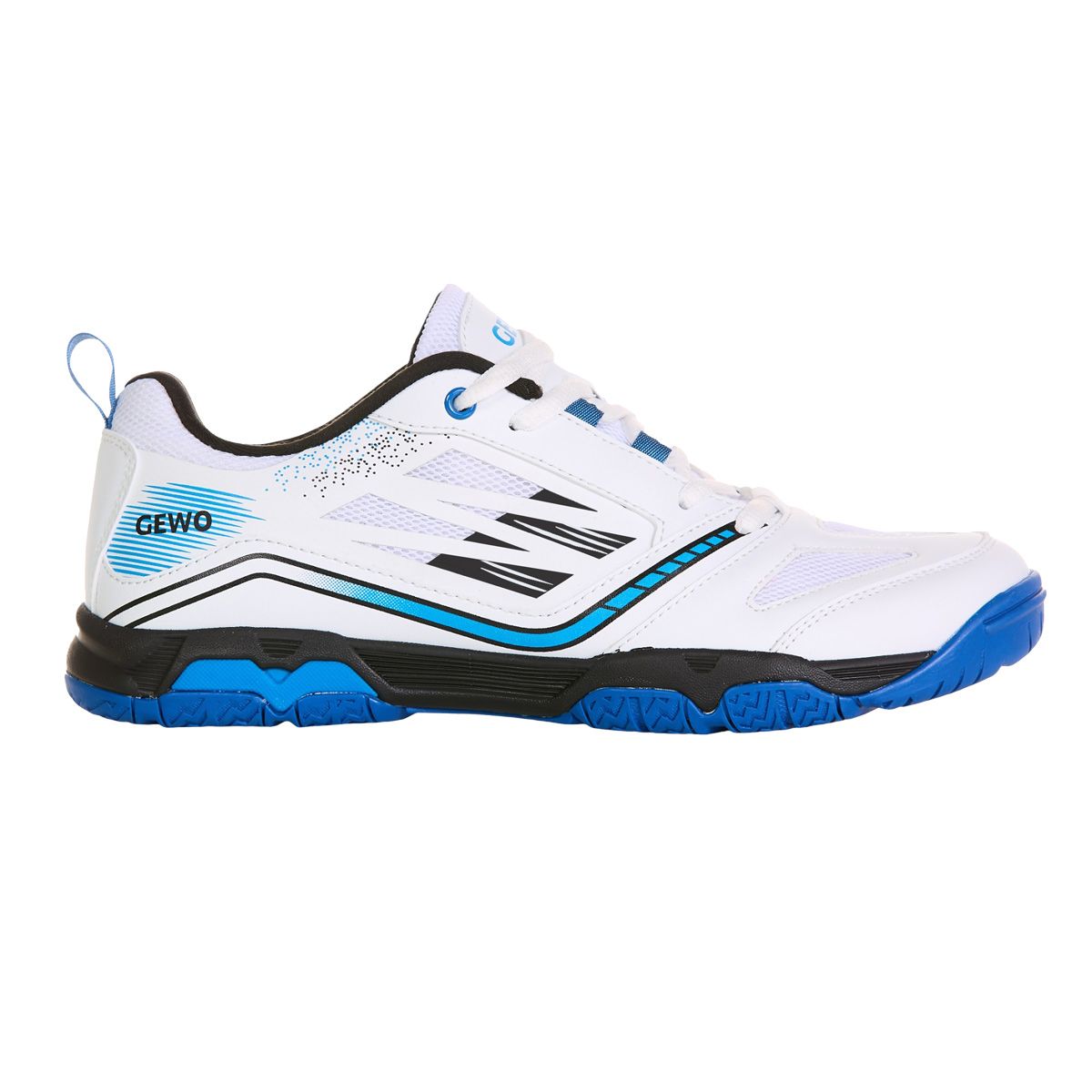
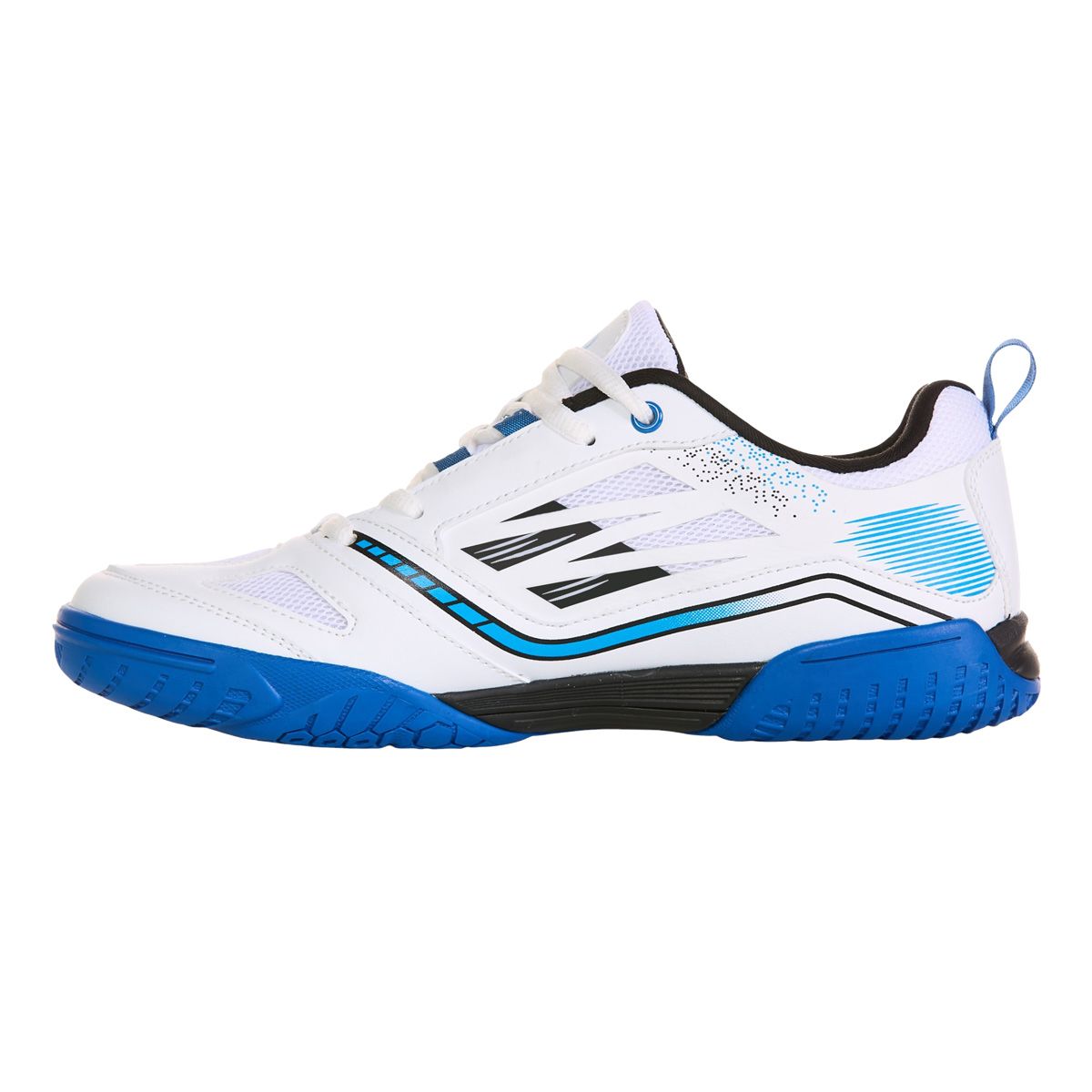
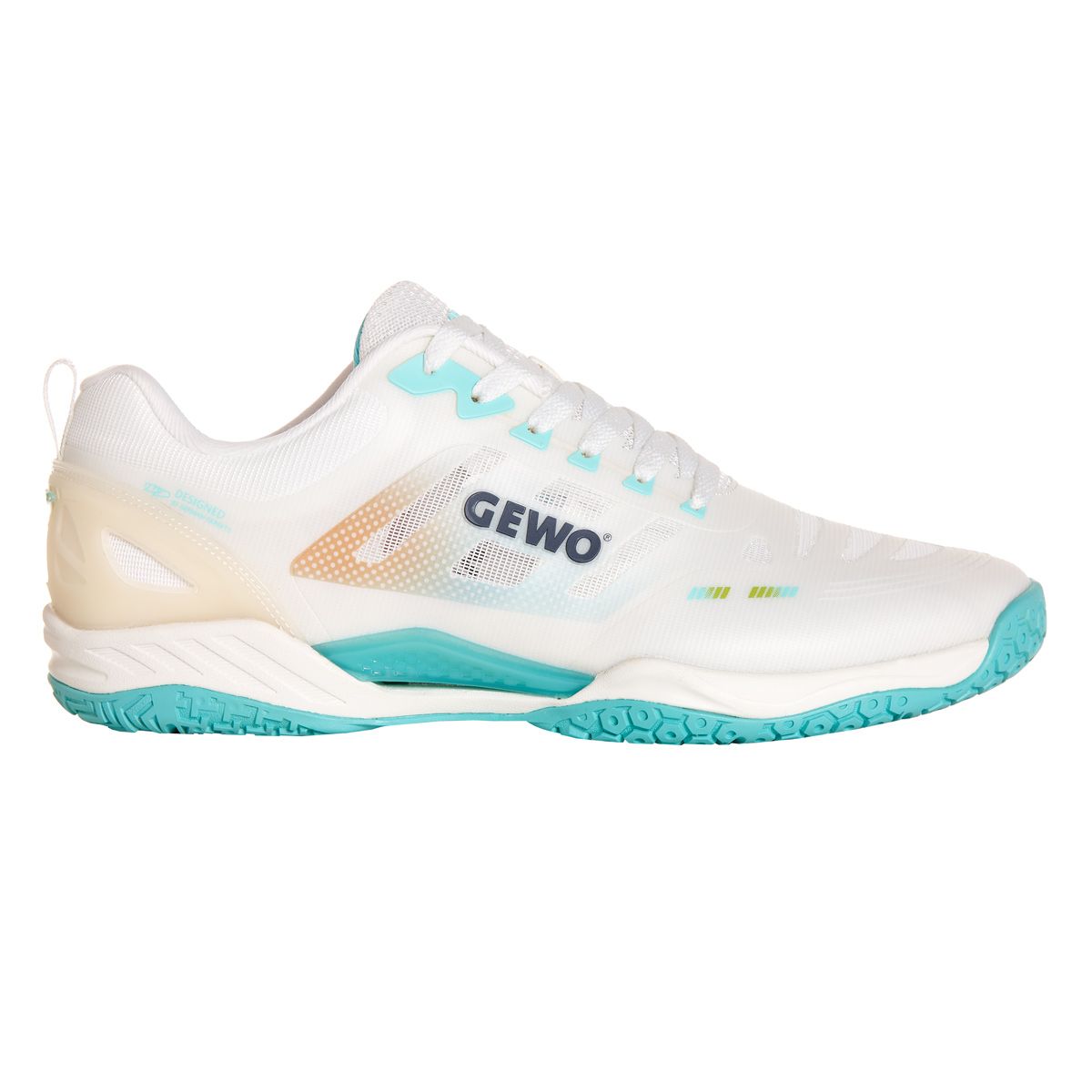
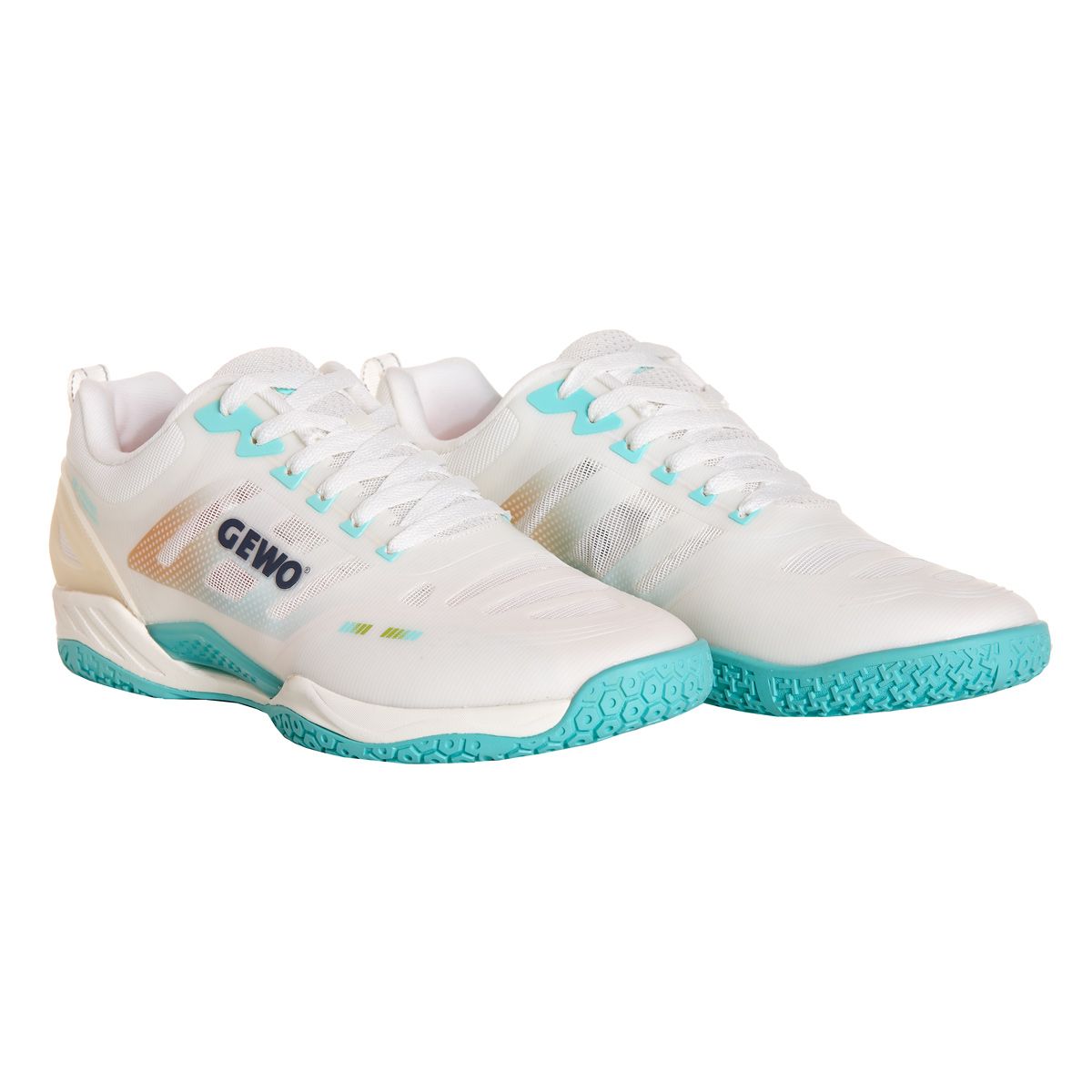
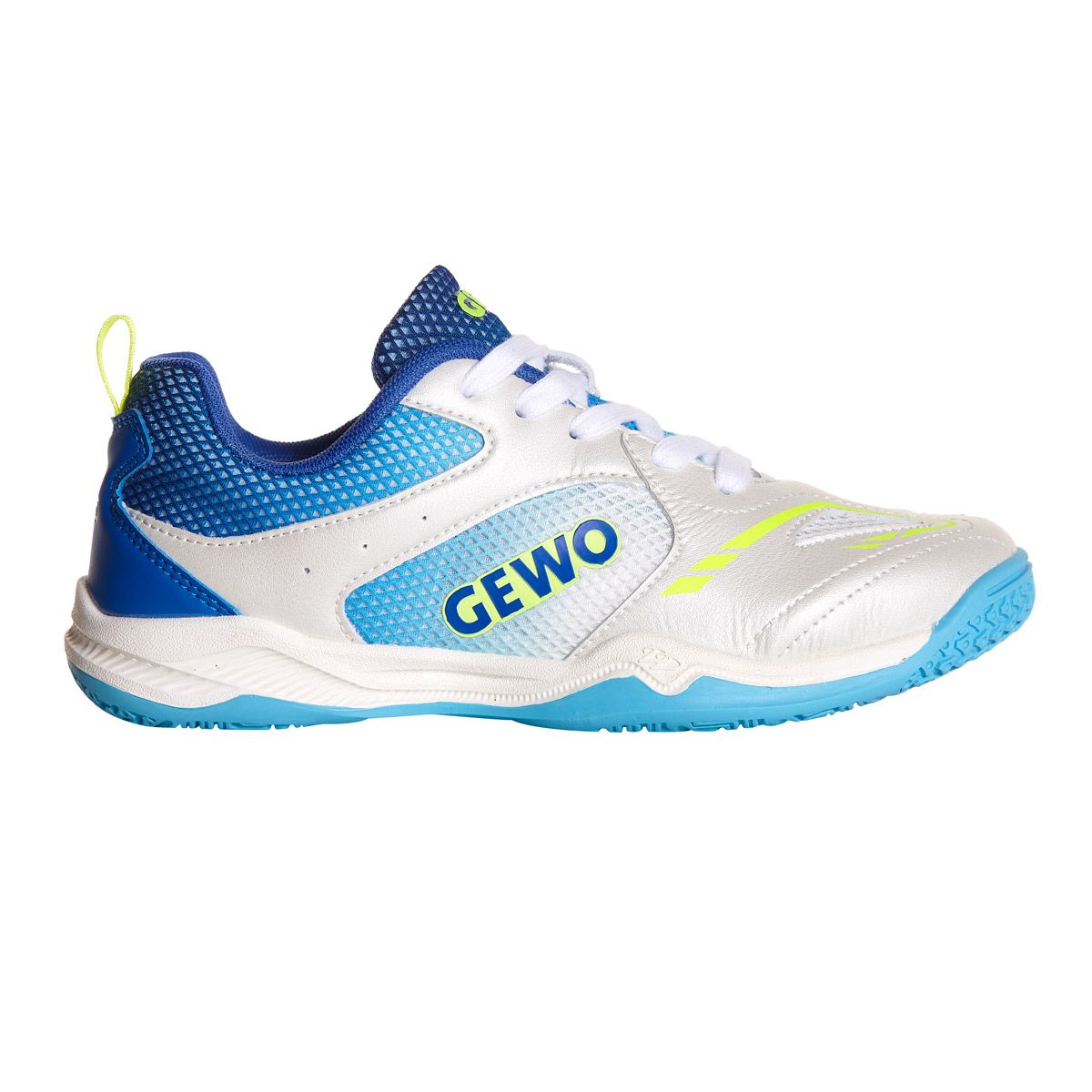
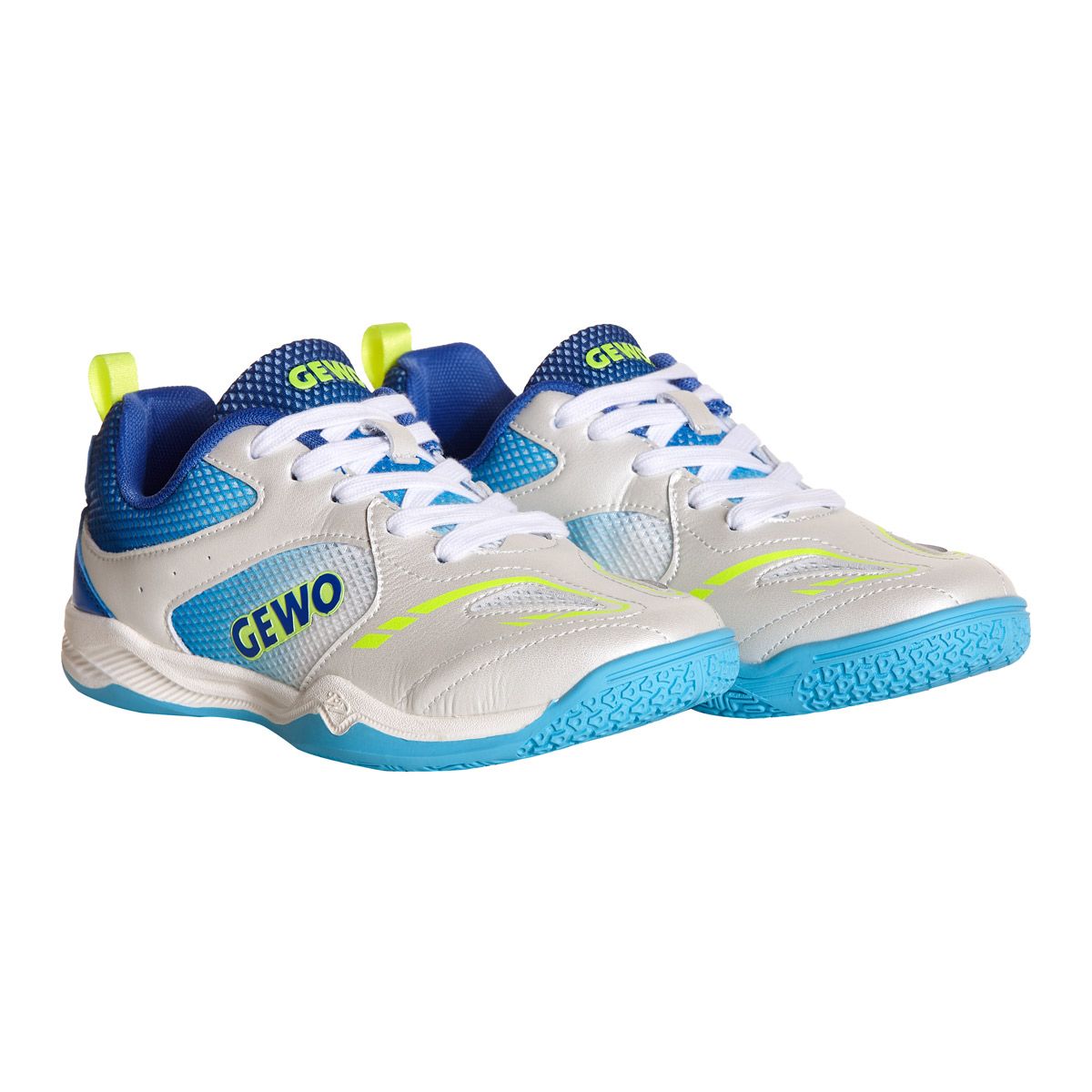


Why Table Tennis Shoes Are Different
Table tennis footwork is very different from the movement patterns found in running or many other sports. Players rarely move in a straight line for long. Instead, you constantly make small adjustment steps, explosive lateral movements and quick transitions between forehand and backhand positions.
Dedicated table tennis footwear is built specifically around these movements.
Designed for Lateral Movement
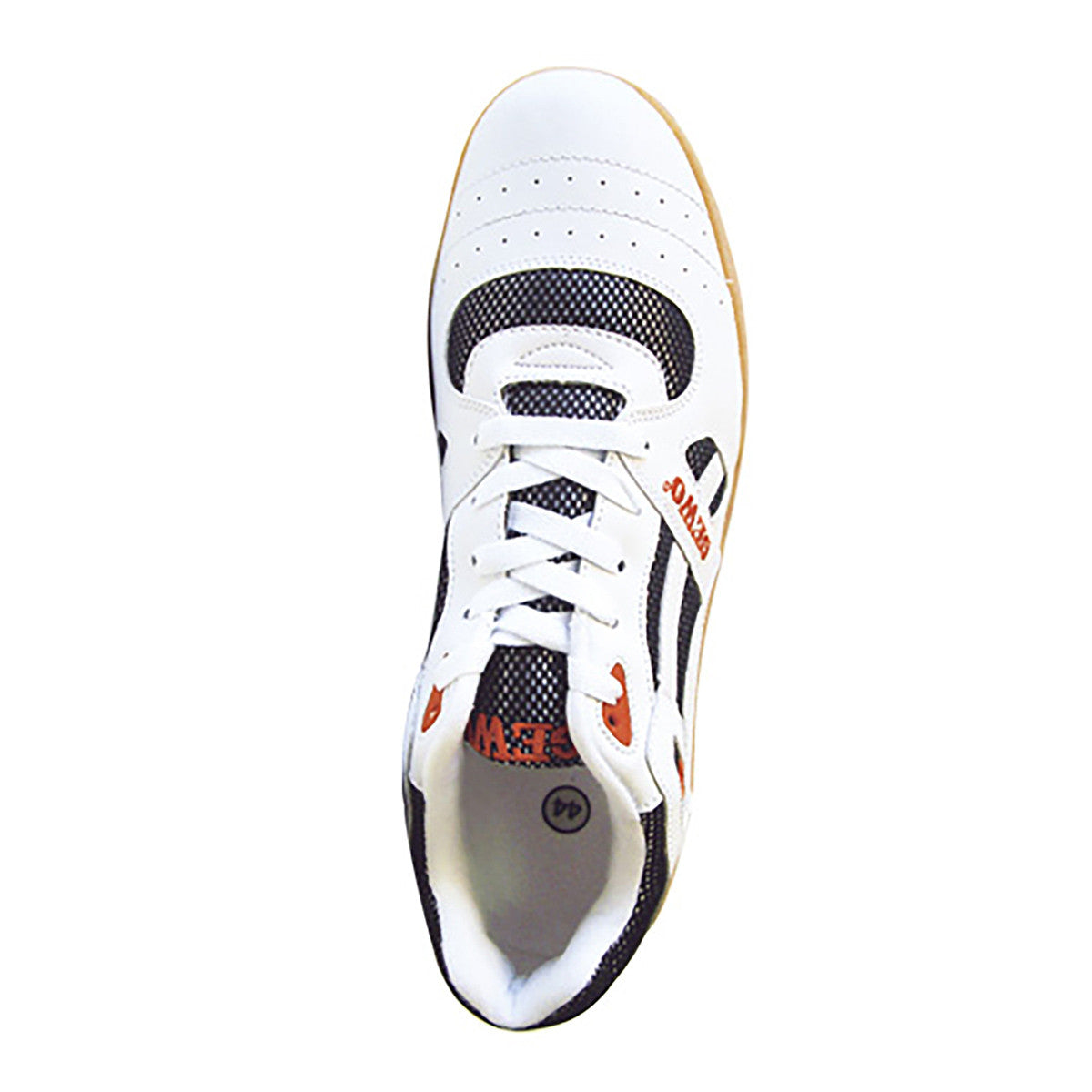
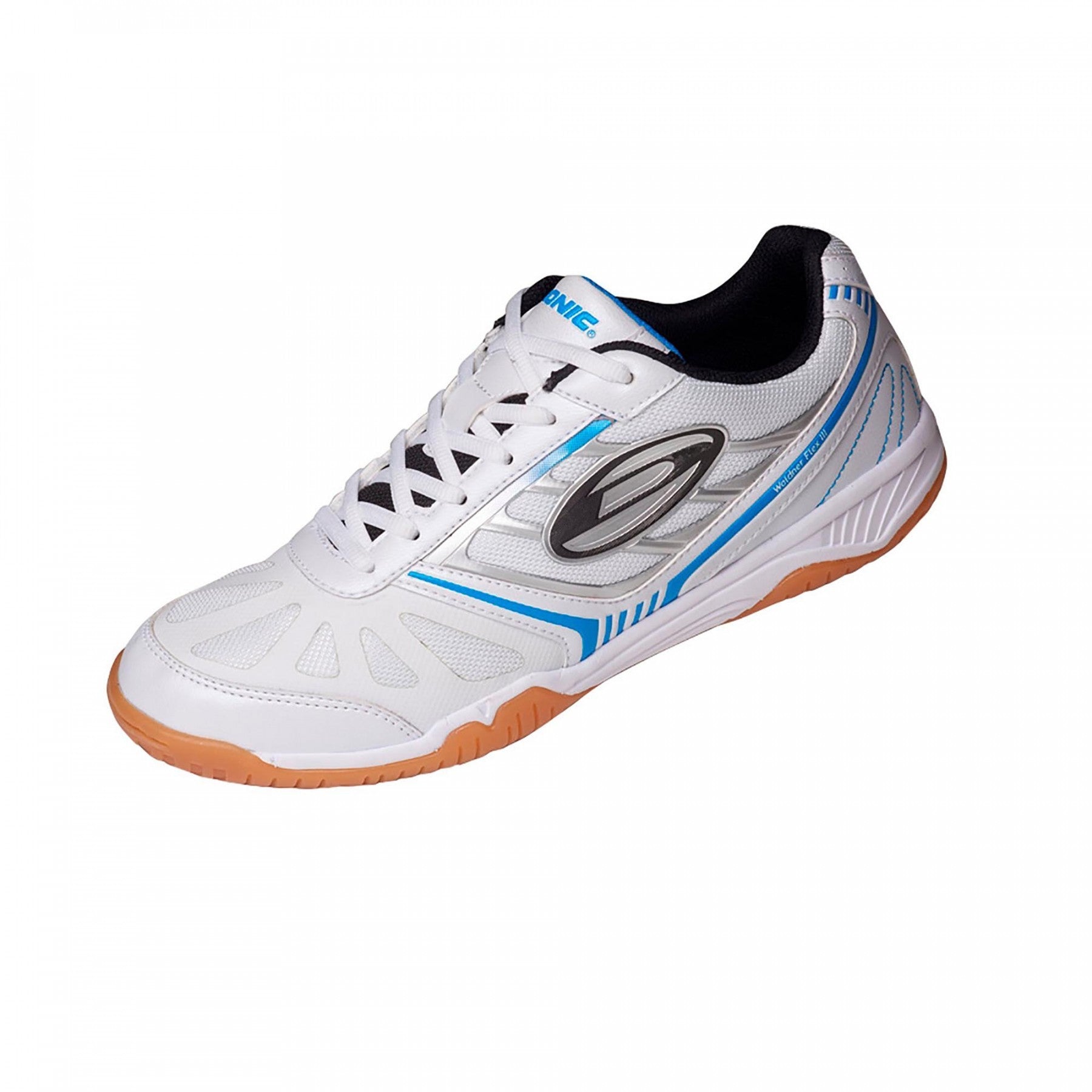
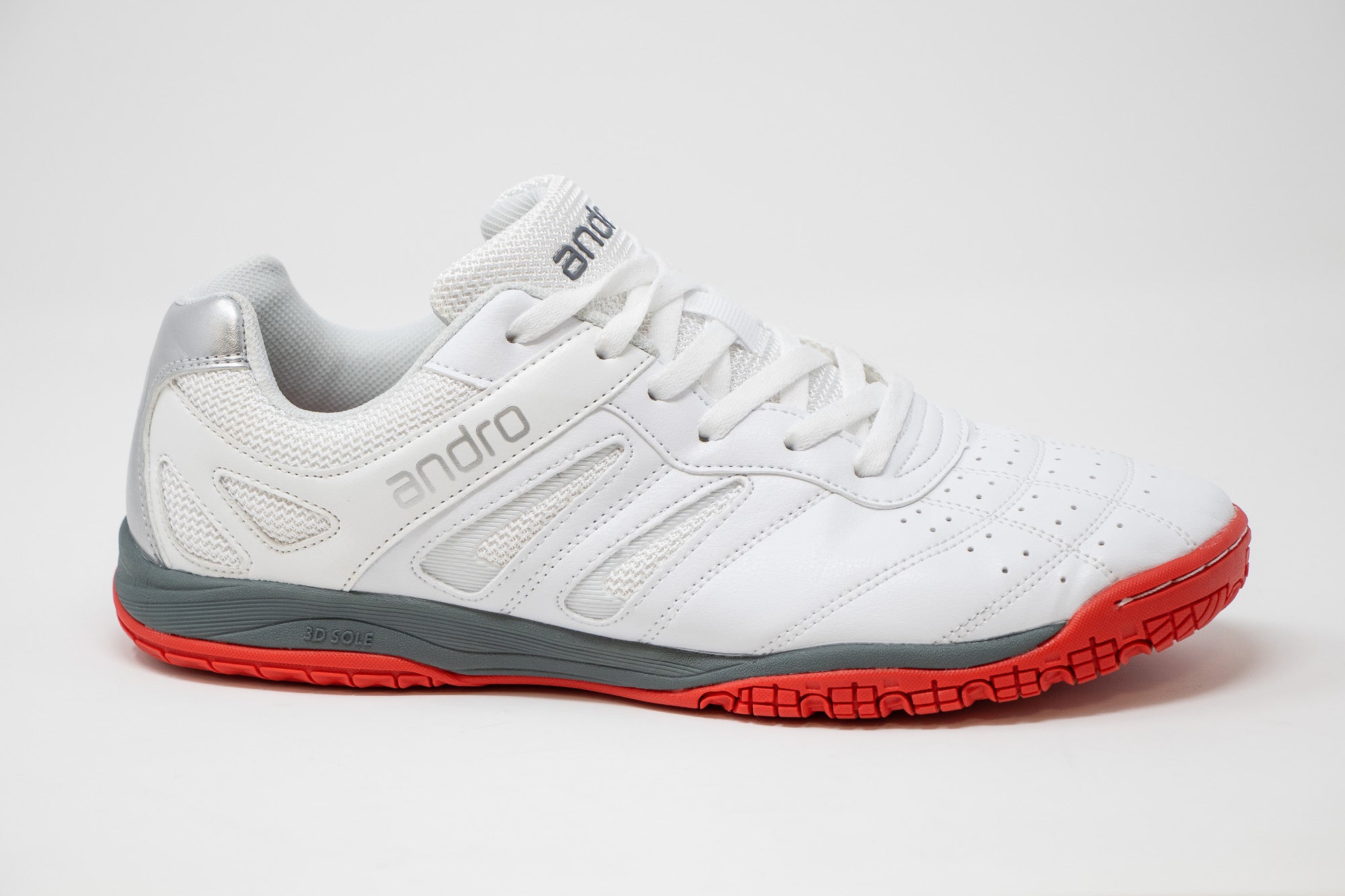
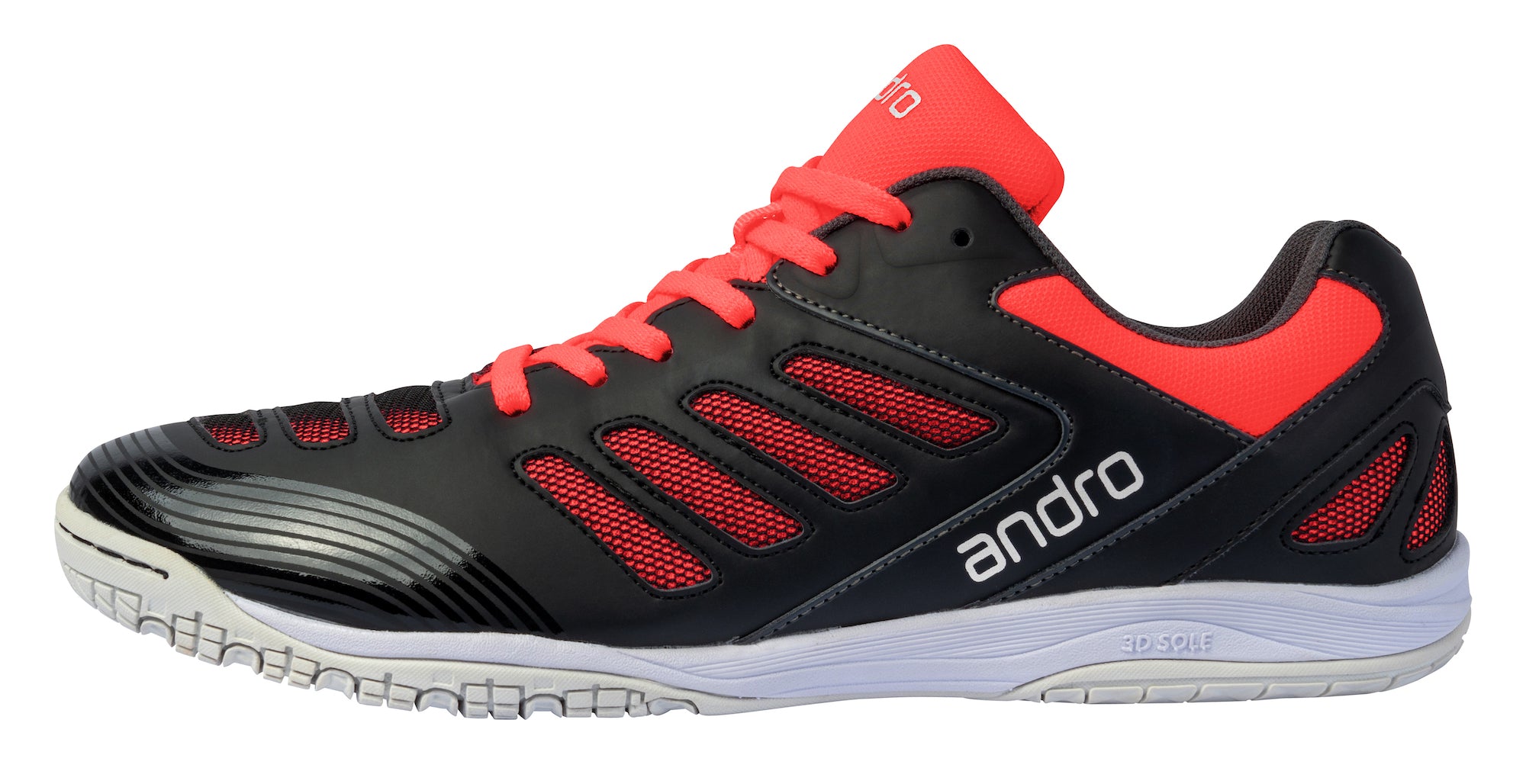
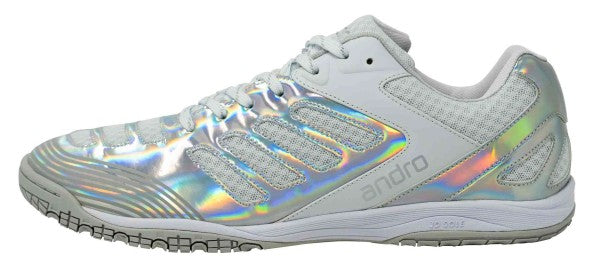
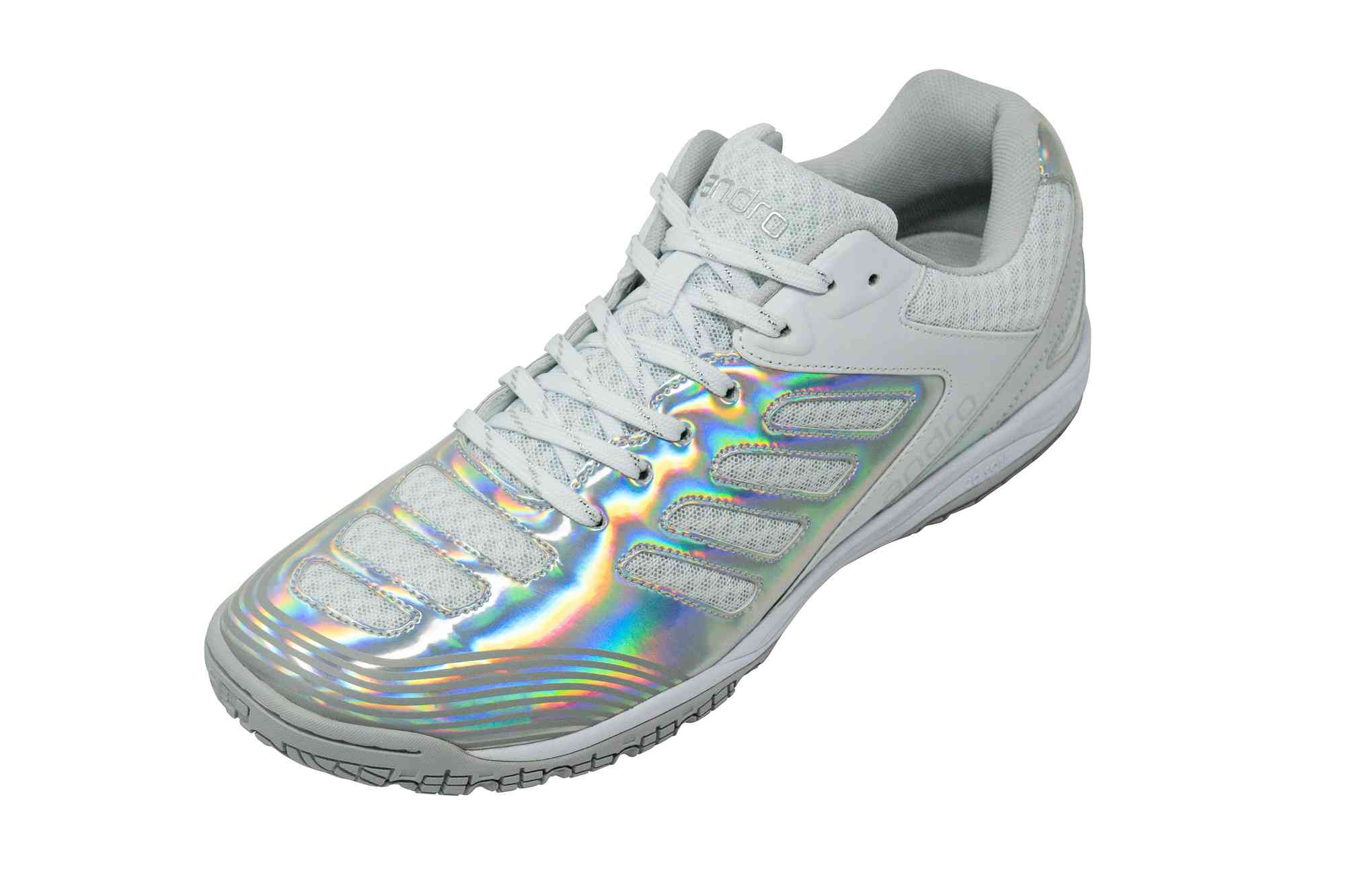
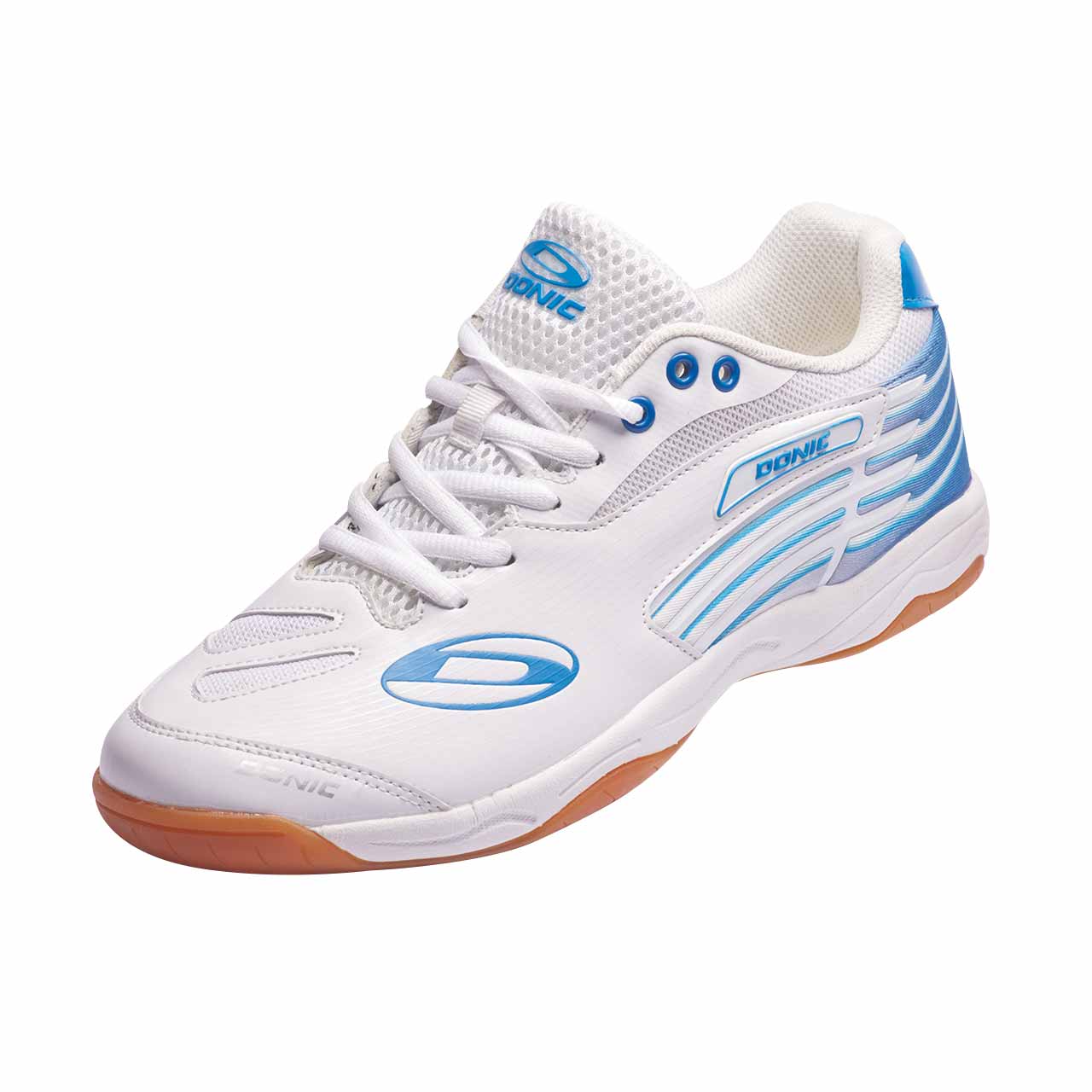
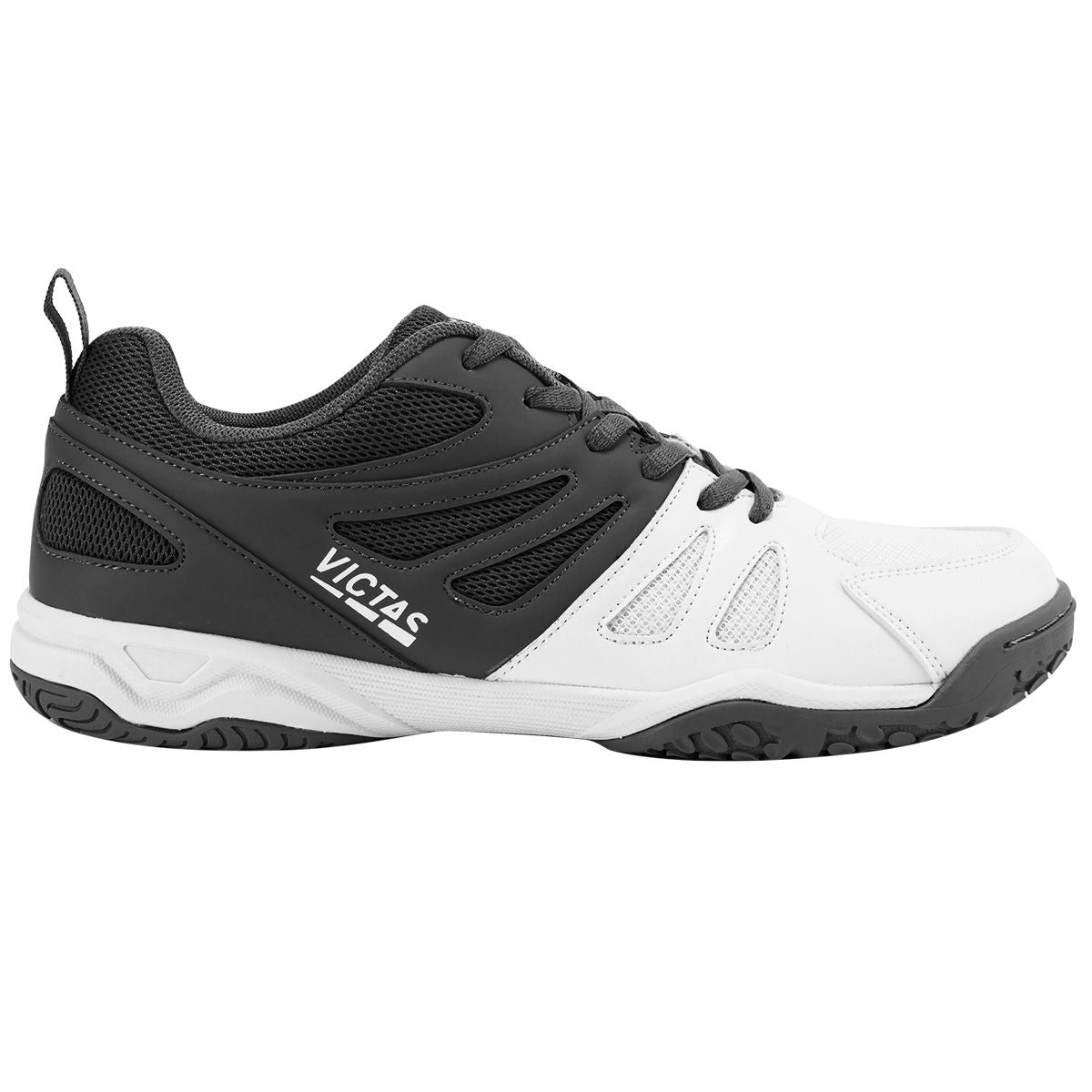
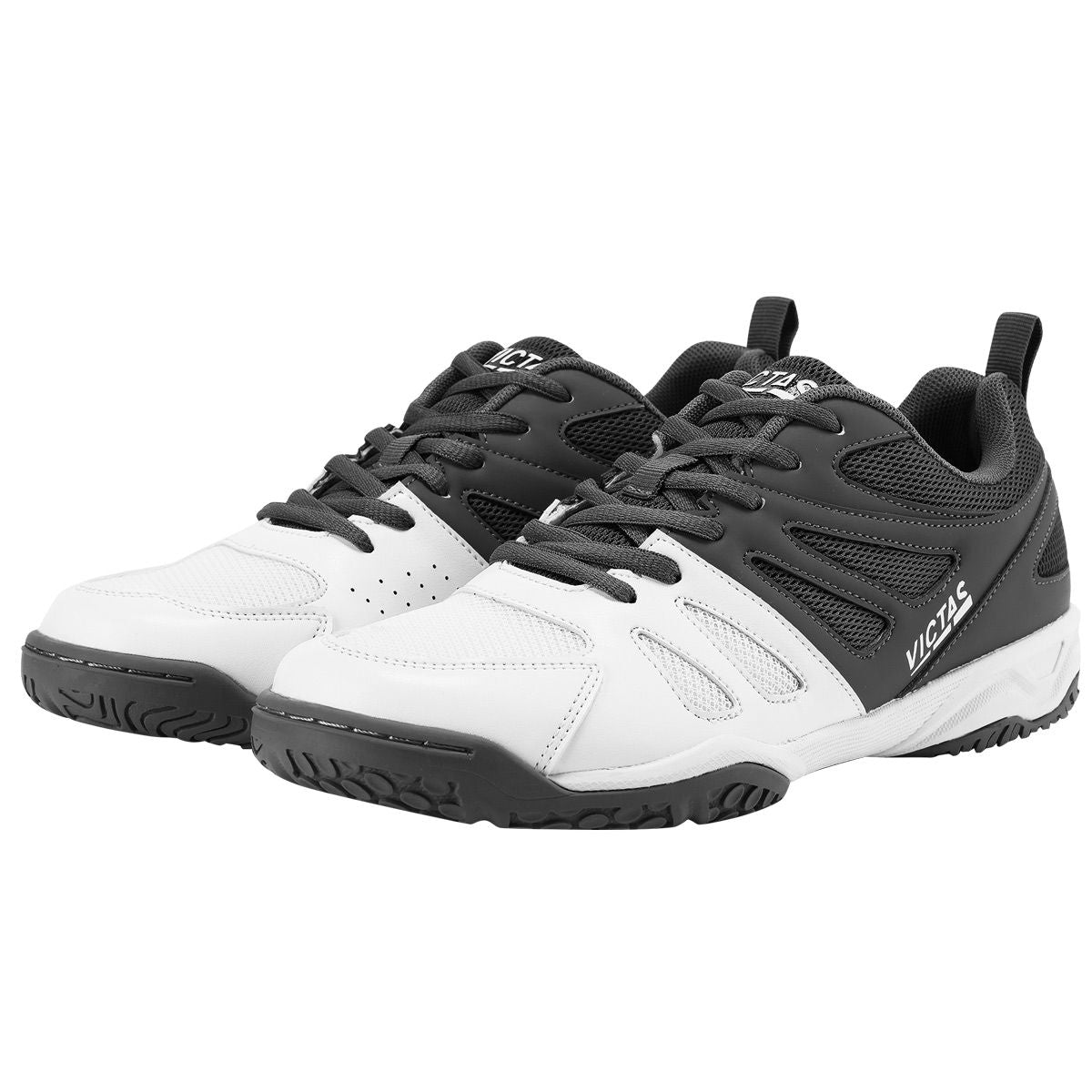
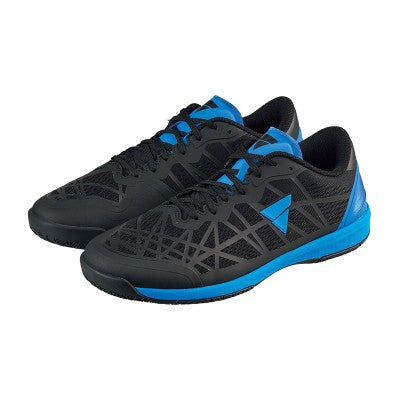
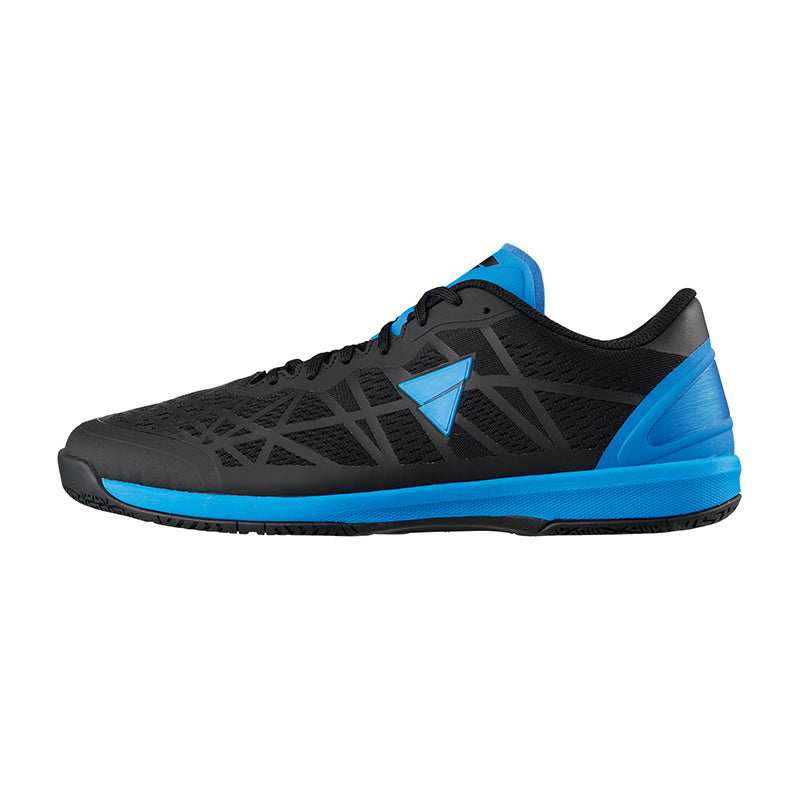
A table tennis shoe usually has a relatively low profile, helping you stay close to the floor and maintain good balance during fast changes of direction.
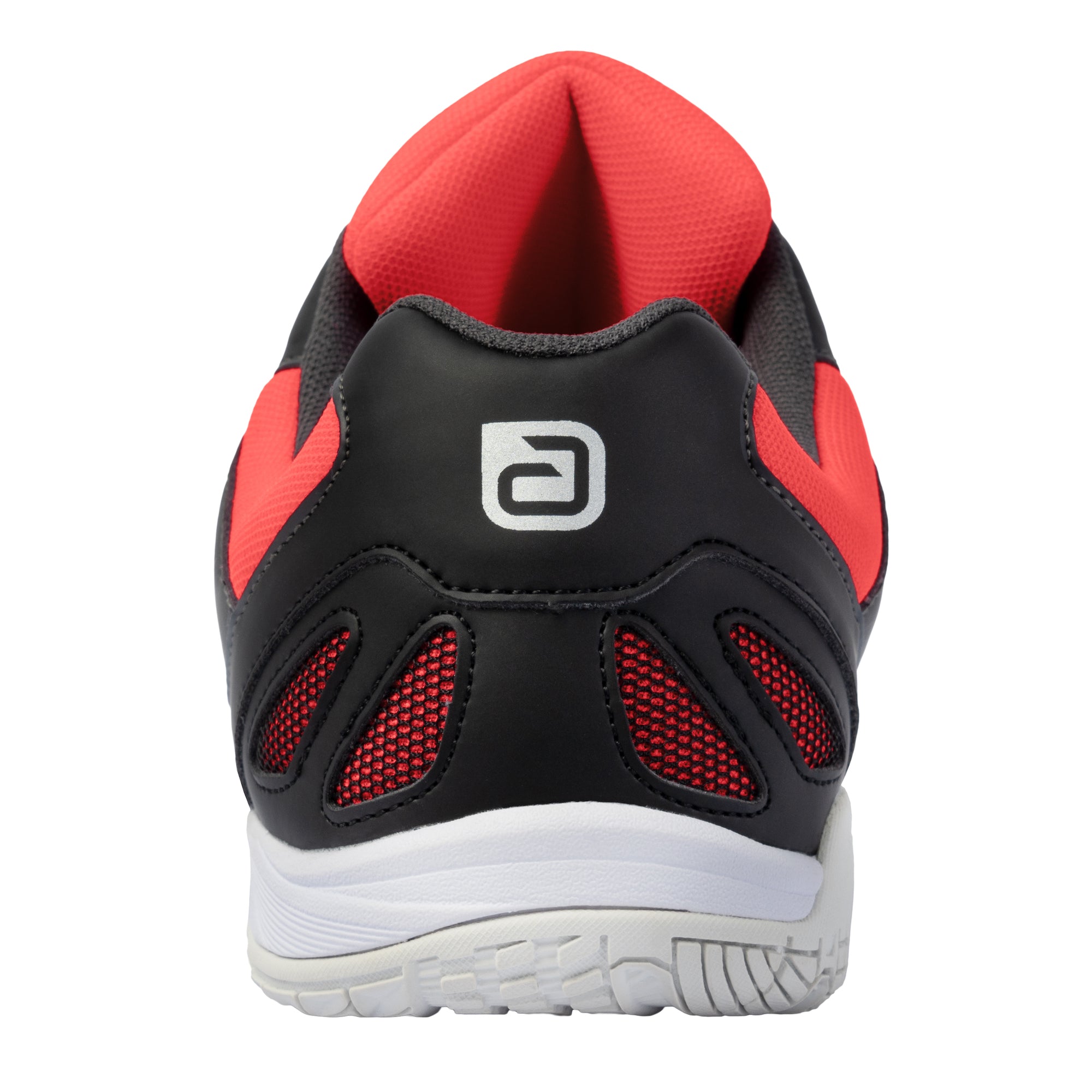
The construction around the sides of the shoe is equally important. During lateral movement, your foot places considerable pressure on the side of the shoe. A well-designed table tennis shoe provides enough stability to keep the foot controlled while still remaining flexible.
This combination of stability and freedom of movement is one of the main reasons experienced players prefer dedicated table tennis shoes.
Grip for Indoor Sports Floors
Grip is essential in table tennis.
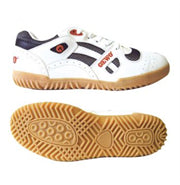
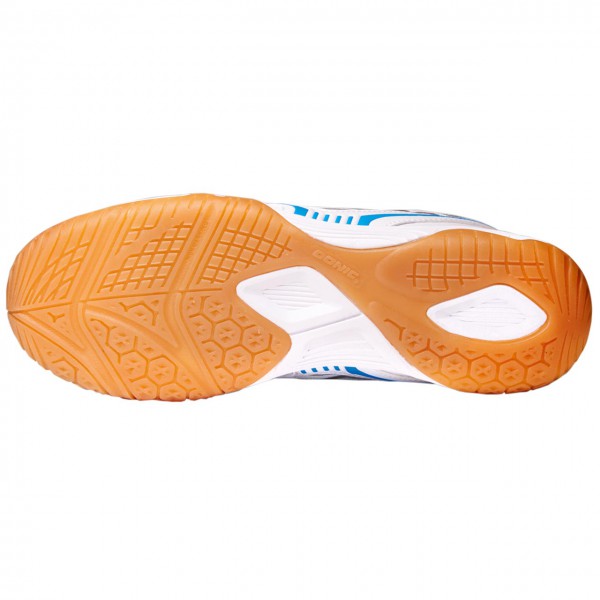
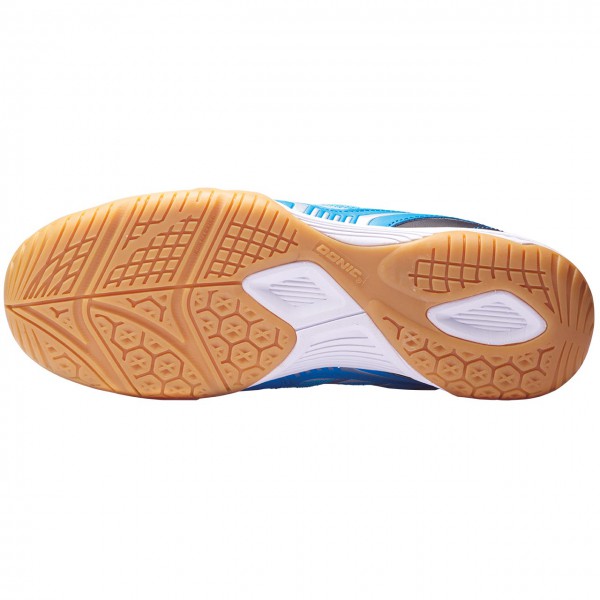
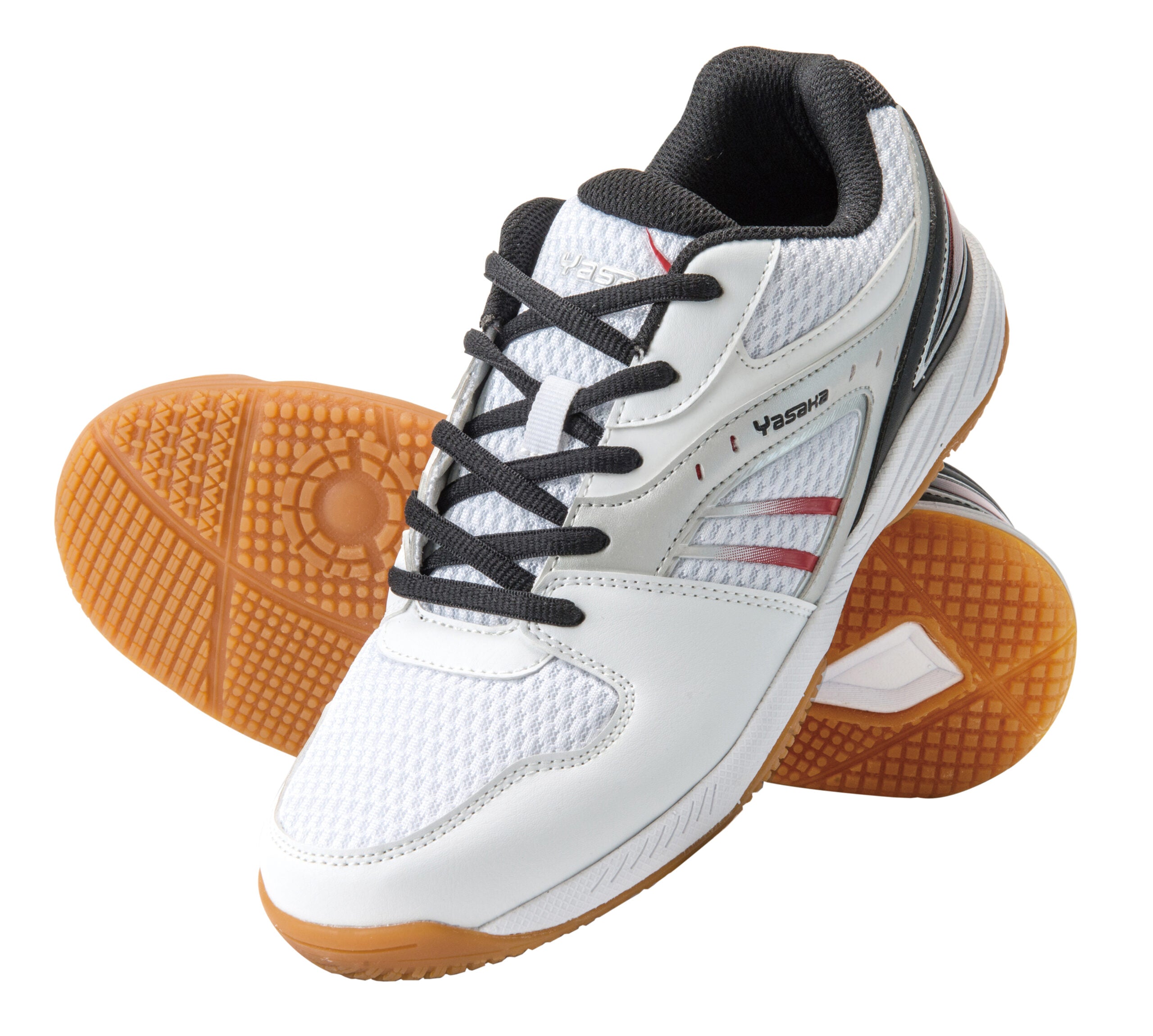
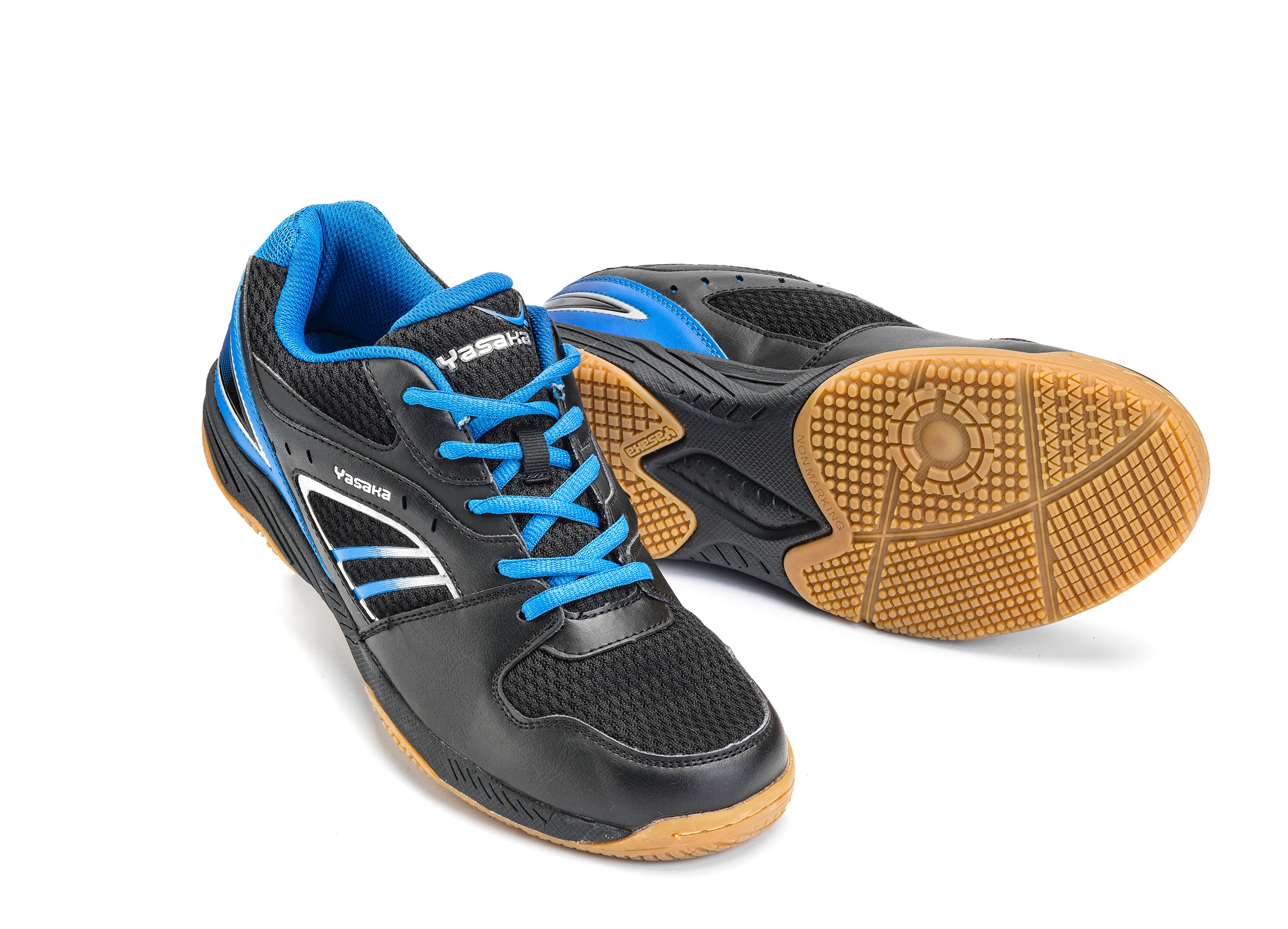
Most specialist table tennis shoes use a non-marking rubber outsole developed for indoor sports surfaces. The aim is to provide enough traction for an explosive push-off while still allowing natural rotation and small adjustment movements.
Too little grip can make your movement less secure, while an overly rigid sole can make quick transitions more difficult. Good table tennis shoes are designed to find the right balance.
Lightweight and Responsive
Heavy footwear can make fast footwork feel slower and more demanding.
For this reason, most performance-oriented table tennis shoes are relatively lightweight. Less weight around the foot helps players make quick movements and react naturally during fast rallies.
However, the lightest shoe is not automatically the best choice for every player. Comfort, stability and cushioning should always be considered alongside weight.
Table Tennis Shoes vs Running Shoes
One of the most common questions from newer players is whether normal running shoes can also be used for table tennis. They can be used recreationally, but they are not designed for the movement patterns of the sport.
Running shoes are primarily developed for forward movement. They often have substantial cushioning and a relatively high sole to absorb the repetitive impact of running. Table tennis shoes, on the other hand, focus on lateral stability, grip and responsiveness.
The main differences are:
- Running shoes: designed mainly for forward motion
- Table tennis shoes: designed for multidirectional movement
- Running shoes: generally higher and more heavily cushioned
- Table tennis shoes: usually lower to the floor
- Running shoes: less focused on lateral support
- Table tennis shoes: constructed for frequent side-to-side movement
- Table tennis shoes: use indoor-specific non-marking soles
For occasional recreational play, general indoor sports shoes may be sufficient. However, specialist table tennis shoes are usually a worthwhile upgrade.
How to Choose Table Tennis Shoes
The best table tennis shoes are not necessarily the fastest or most expensive model. The right shoe is the one that fits your feet properly and provides the right balance between grip, stability, cushioning and weight.
Choose the Correct Size and Fit
Fit should always be your first consideration.
A table tennis shoe should fit relatively snugly because excessive movement inside the shoe reduces stability. At the same time, your toes should have enough room to move naturally and should not be pressed against the front of the shoe.
We recommend paying attention to:
- Overall shoe length
- Width around the forefoot
- Heel retention
- Support around the midfoot
- Space around the toes
Sizing can differ between brands and even between models from the same manufacturer. If you already know that you have particularly wide or narrow feet, take this into account when choosing your shoes.
Grip
The outsole determines how the shoe interacts with the sports floor.
For most players, good grip means being able to push off explosively without feeling that the shoe is excessively sticky or restrictive.
Players training several times per week should pay particular attention to outsole quality, because grip is often one of the first performance characteristics to decrease as a shoe wears.
Cushioning
Traditional table tennis shoes often use relatively limited cushioning to maintain a direct connection with the floor.
Modern models increasingly combine this low profile with more advanced cushioning materials. This can make a significant difference during longer training sessions, particularly for players who prefer a little more comfort under the heel and forefoot.
The ideal amount of cushioning is personal. Some players prefer a very direct and firm feeling, while others are more comfortable with additional impact absorption.
Stability
Fast table tennis footwork places significant lateral forces on the shoe.
Look for a shoe with good support around the midfoot and sides without making the shoe unnecessarily rigid. The goal is to keep your foot stable when changing direction while still allowing natural movement.
Breathability
Table tennis can be physically demanding, particularly during intensive training sessions and tournaments.
Many modern shoes therefore use mesh or other breathable materials in the upper. Better ventilation helps manage heat and moisture and can make the shoe considerably more comfortable during longer sessions.
Which Table Tennis Shoes Match Your Playing Style?
Different players can prefer very different types of footwear.
Fast and Offensive Players
Players who rely heavily on explosive footwork often prefer lightweight shoes with a direct feel and strong grip.
The lower weight makes rapid adjustment steps easier, while a flexible construction helps when transitioning quickly between forehand and backhand.
Allround Players
For most club players, a balanced shoe is the best choice.
Look for a combination of:
- Good grip
- Moderate cushioning
- Stable lateral support
- Comfortable fit
- Reasonable weight
This type of shoe provides enough responsiveness for fast movement without compromising comfort during longer sessions.
Players Looking for More Comfort and Support
Some players prioritise cushioning and stability over minimum weight.
A slightly more substantial shoe can offer additional support and comfort, making it attractive for long training sessions, coaching or tournament days where you spend many hours on your feet.
There is no universal best solution. The shoe should match both your playing style and your personal preference.
Table Tennis Shoes for Beginners
Beginners sometimes assume that specialist table tennis shoes are only necessary for high-level players. In reality, dedicated indoor shoes can already be useful when you start learning proper footwork.
A stable, low-profile shoe makes it easier to develop good movement patterns around the table.
You do not necessarily need the most advanced model when starting out. A comfortable table tennis shoe with reliable grip and good stability is usually the best place to begin.
As your level increases and your movement becomes faster, differences between individual shoe models become increasingly noticeable.
Table Tennis Shoes for Competitive Players
For advanced and competitive players, footwear becomes an important part of the overall equipment setup.
At higher playing speeds, movements are more explosive and recovery time between strokes becomes shorter. Players therefore tend to look more closely at:
- Shoe weight
- Outsole grip
- Lateral stability
- Sole flexibility
- Heel support
- Cushioning
- Overall fit
Competitive players who train frequently should also monitor shoe wear carefully. Even if the upper still looks good, the outsole and internal cushioning may already have lost part of their original performance.
Indoor Use and Playing Surfaces
Table tennis shoes are primarily designed for indoor sports halls.
They perform best on surfaces such as:
- Wooden sports floors
- Vinyl sports flooring
- PVC sports surfaces
- Synthetic indoor court surfaces
Most models use non-marking outsoles, which are designed to provide grip without leaving marks on the sports floor.
We strongly recommend using your table tennis shoes indoors only.
Walking outside in specialist indoor shoes can quickly collect dirt, dust and small stones in the outsole. This reduces grip and can damage both the shoe and the sports floor when you return indoors.
Many regular players therefore wear normal shoes when travelling to the venue and change into their table tennis shoes before training.
Materials and Technology
Modern table tennis shoes combine several different materials, each serving a specific purpose.
Outsole
The outsole is generally made from high-grip rubber designed specifically for indoor sports.
The tread pattern and rubber compound influence traction, flexibility and how easily you can rotate during movement.
Midsole and Cushioning
Depending on the model, manufacturers use EVA, PU or proprietary cushioning technologies in the midsole.
These materials help absorb impact while keeping the shoe responsive enough for table tennis movement.
Performance-oriented models often try to keep the cushioning relatively close to the floor, preserving stability and direct feedback.
Upper
The upper can combine:
- Mesh
- Synthetic leather
- Reinforced textile
- Lightweight synthetic materials
Mesh improves ventilation, while reinforced areas provide additional support where the shoe experiences greater forces during lateral movement.
The best designs use these materials selectively rather than simply trying to make the entire shoe as light as possible.
How Long Do Table Tennis Shoes Last?
There is no fixed lifespan for a pair of table tennis shoes.
How quickly they wear depends on:
- How often you train
- Your body weight
- Your movement style
- The sports surface
- The shoe construction
- Whether the shoes are also worn outside
Players training several times per week will naturally wear through their shoes faster than someone playing once a week.
Rather than replacing shoes according to a fixed number of months, we recommend looking at their condition.
Typical signs that replacement may be necessary include:
- Noticeably reduced grip
- Smooth or heavily worn outsole sections
- Reduced cushioning
- Loss of lateral support
- Damage around the upper or sole
- The shoe no longer feeling stable during movement
Grip is particularly important. A shoe can still look acceptable while the outsole has already lost much of its original traction.
How to Take Care of Table Tennis Shoes
Good maintenance can help your shoes retain their grip and performance for longer.
After playing, allow your shoes to dry naturally in a ventilated area. Avoid leaving damp shoes permanently inside a closed sports bag.
For cleaning, use a damp cloth or soft brush. A small amount of mild soap can be used when necessary.
Avoid aggressive cleaning products and do not automatically put specialist table tennis shoes in a washing machine unless the manufacturer specifically states that this is suitable.
Most importantly: keep them indoors. Using your shoes exclusively on clean indoor sports floors will help preserve the outsole and grip.
Are Table Tennis Shoes ITTF Approved?
Unlike table tennis rubbers, blades, balls and certain other competition equipment, shoes do not carry an individual ITTF approval in the same way.
Specialist table tennis shoes from established brands are widely used at club, national and international competition level.
When choosing shoes for competition, the most important considerations are therefore fit, grip, stability and comfort rather than looking for an ITTF approval marking.
Buy Table Tennis Shoes Online
At TableTennisStore.eu, we specialise in table tennis equipment and offer footwear specifically selected for the movement and demands of our sport.
Whether you are buying your first pair of dedicated table tennis shoes or looking for a high-performance model for intensive training and competition, focus first on fit and stability. After that, factors such as weight, cushioning and responsiveness can help you select the shoe that best matches your playing style.
Not sure between two models or sizes? Our table tennis specialists can help you compare the differences and choose the most suitable option.
Returns and Size Exchanges
Shoes need to fit properly, and sometimes the first size you order is not the right one.
If you would like to exchange your shoes for another size, request a return and indicate that you want a size exchange. We can arrange the return label for you and send an invoice for the applicable return shipping costs.
If you prefer to return the shoes without exchanging them, the return shipping costs will be deducted from your refund.
Please make sure shoes are only tried on indoors and are returned in their original condition and packaging.

